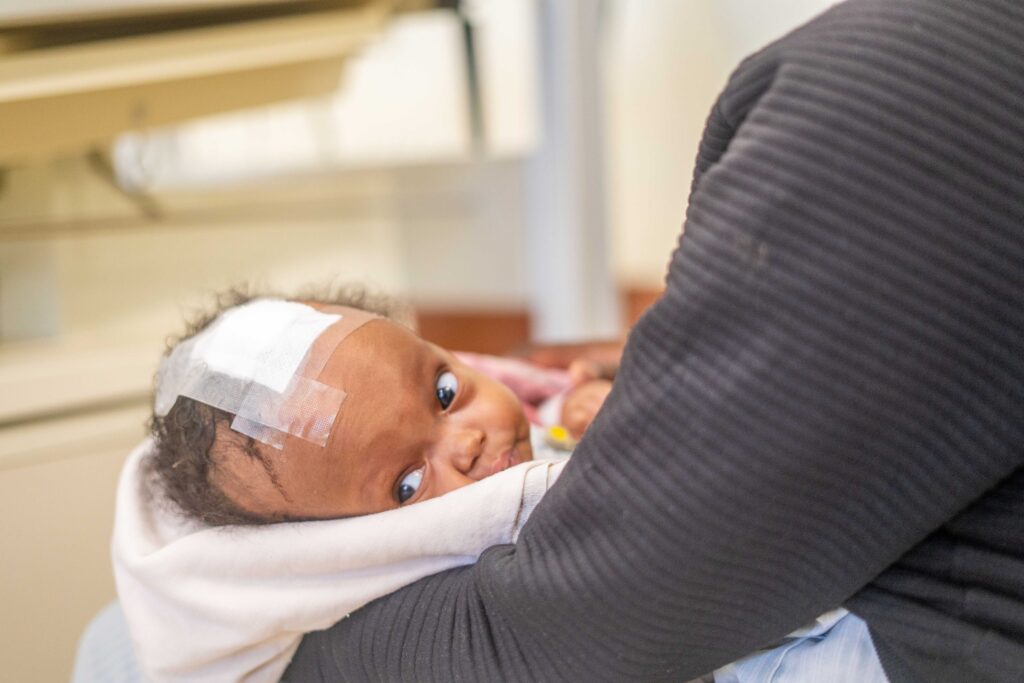

On August 28, 2024, in the town of Kabwe, Zambia, a tiny baby boy named Devine entered the world. Born prematurely at just seven months of pregnancy, he was small but perfect. For the first two months of his life, Devine grew normally, bringing joy to his mother, Virginia. But one morning, as Virginia cradled her son, she noticed something alarming: the top of his head felt abnormally soft.
Terrified by the discovery, Virginia rushed Devine to the nearest clinic. Recognizing the urgency, the clinic staff immediately referred them to a hospital for specialized testing. It was there that the doctors delivered a devastating diagnosis: Devine had hydrocephalus. The doctor further advised that she take the child to the University Teaching Hospital (UTH) in Lusaka to relieve pressure on Devine’s brain
The news shattered Virginia’s world. As she wept, the weight of the diagnosis was made heavier by the misinformation of her community. Neighbors and acquaintances told her that Devine would never grow up, that he was destined to be severely disabled. Worse still, upon hearing the diagnosis, Virginia’s husband abandoned them completely. He claimed the child’s condition was an abomination, stating coldly that such illnesses did not exist in his family line.
Suddenly alone, facing deep social stigma and carrying the burden of a child, Virginia refused to give up. She strengthened herself and gathered her baby, then traveled to UTH, arriving on November 5, 2024.
The moment Virginia walked through the doors of the hospital, her heavy burden began to lift. In the ward where she was taken, she found herself surrounded by other mothers holding babies with the same condition. For the first time in months, Virginia was not alone. The isolation vanished, replaced by an overwhelming sense of hope. The UTH medical team sat with her, gently and clearly explaining the surgical procedures that could save her son. After spending three weeks in the ward, she saw other babies being operated on, and the surgeries were successful. This gave her hope that her child would also survive.
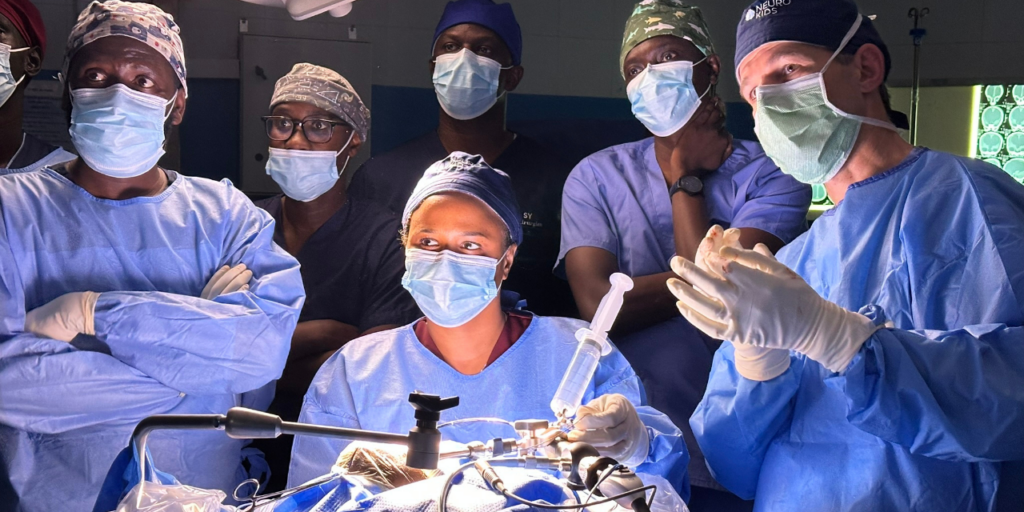
On November 25, 2024, Devine had a successful surgery performed by Dr. Kabelele Sipalo, trained by NeuroKids. After careful post-operative monitoring, Virginia and her baby were safely discharged, with instructions to return in two weeks for a routine checkup.
When they returned for that follow-up, the transformation was nothing short of a miracle.
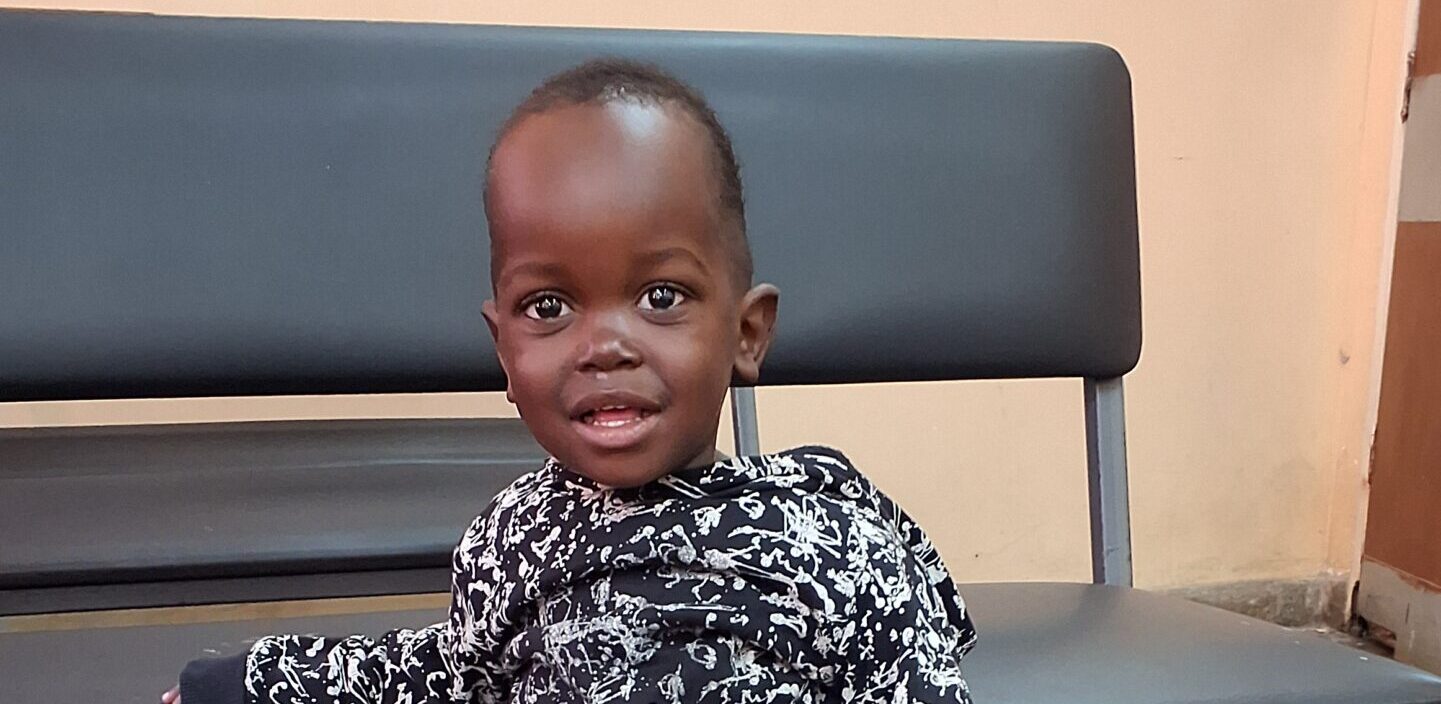
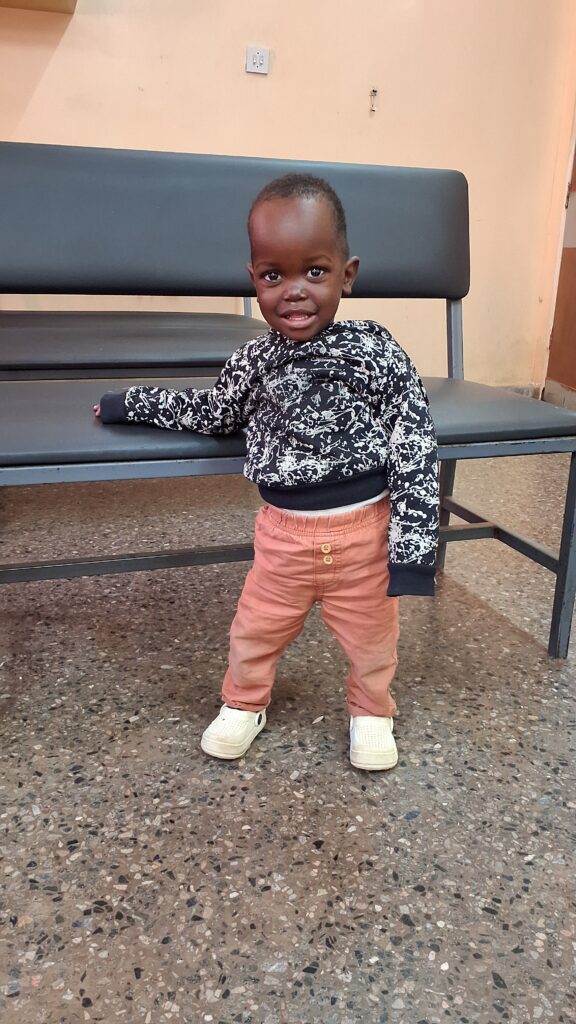
Today, Devine is no longer the fragile, sick baby from Kabwe. He is a big, thriving boy who has triumphantly met every single one of his developmental growth milestones. He is extra hyper, full of life, running around the room, and talking perfectly well.
For Virginia, Devine’s recovery has meant the rebirth of her own life. No longer trapped at a bedside or dependent on the charity of others, she is now empowered. Devine’s newfound health and independence have unlocked her ability to step out into the world, look for employment, and proudly provide for her son as a strong, independent single mother.
Looking back at the darkest chapters of her journey, Virginia smiles with deep gratitude. “I am happy that I didn’t give up, and I am grateful to the doctors at UTH,” she says. “Devine’s improved health and independence has improved our lives.”
Through the power of timely neurosurgery, a story that began in isolation and heartbreak has transformed into a beautiful reality of health, dignity, and a bright, unlimited future.