
Our Story
Dr. Benjamin Warf
In 2000, pediatric neurosurgeon Dr. Benjamin Warf encountered a high incidence of hydrocephalus while working at a hospital in eastern Uganda. Because the insertion of a shunt—the traditional treatment for hydrocephalus—is both prohibitively expensive and requires sustained medical monitoring, which is beyond the reach of most families in the Global South, Dr. Warf pioneered an alternative, low-cost treatment.
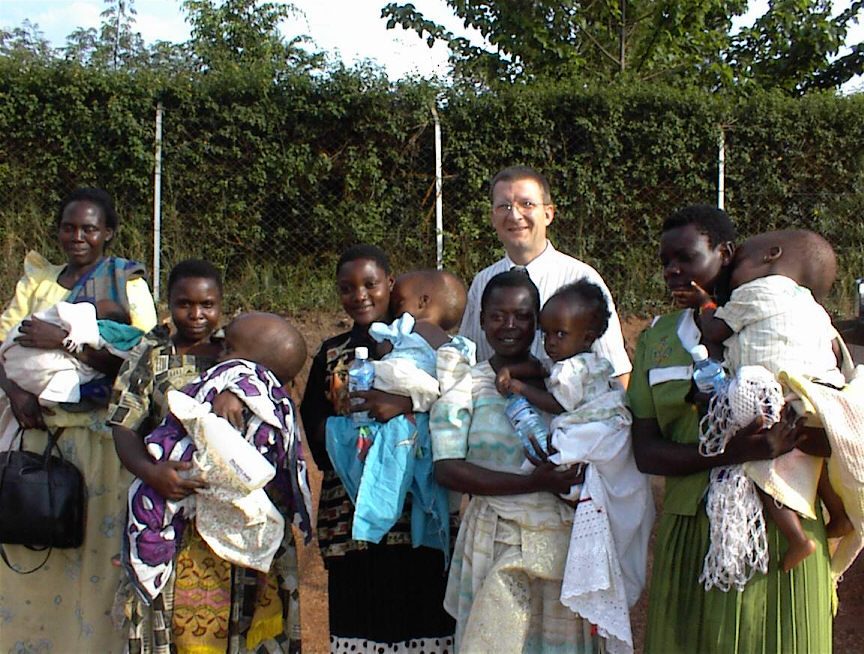
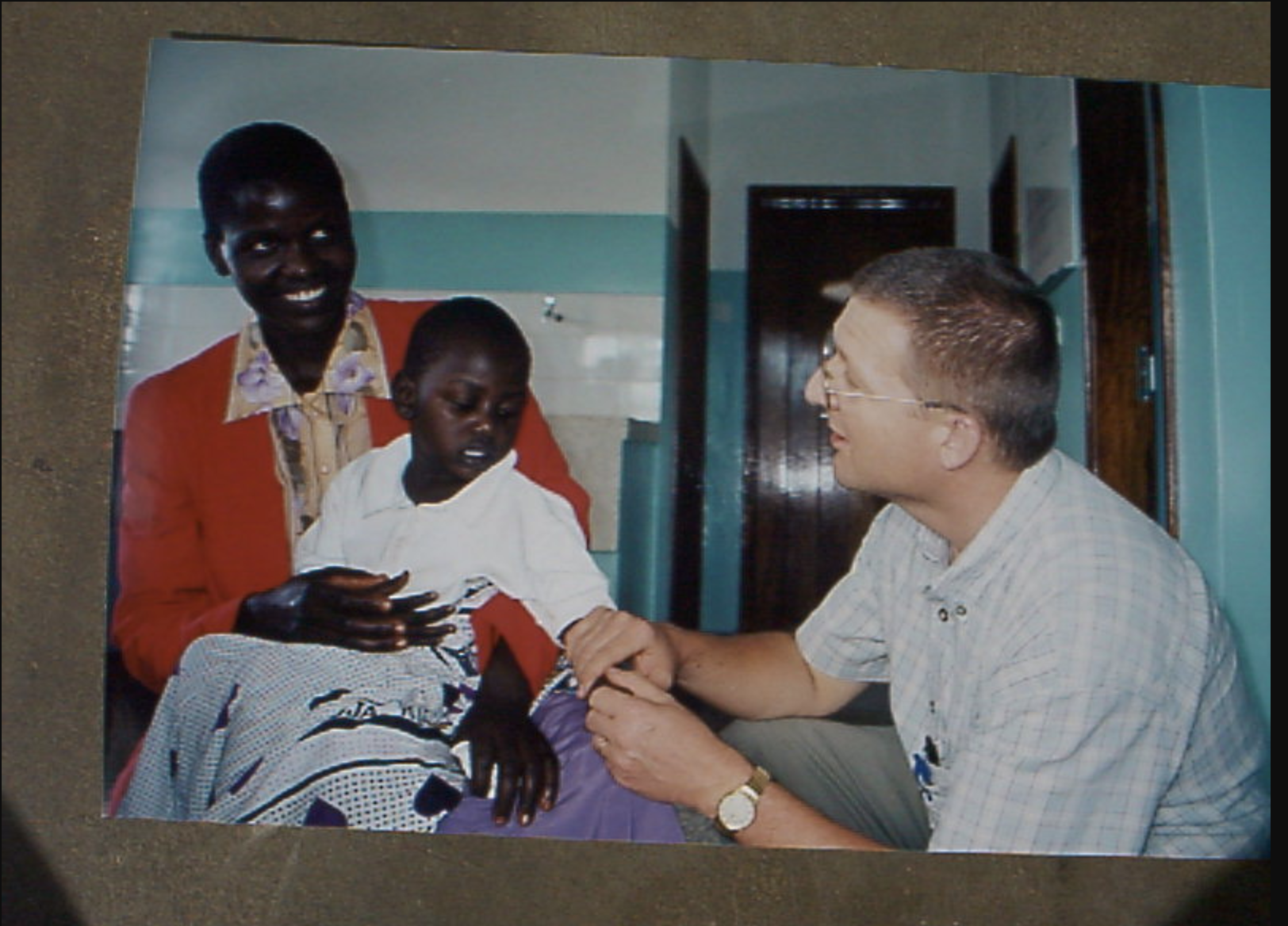
Dr. Warf combined two procedures, the endoscopic third ventriculostomy (ETV) and choroid plexus cauterization(CPC), now known as The Warf Procedure, to develop a relatively straightforward, one-time, cost-effective treatment. Clinical trials have demonstrated outcomes that are as safe and effective as shunts, but require far less medical infrastructure and post-surgical maintenance.
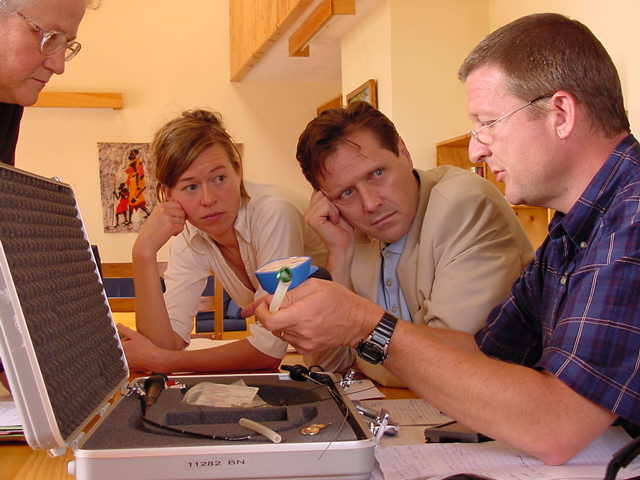
Recognizing hydrocephalus as the number one neurosurgical condition affecting children, Dr. Warf designed a training program for neurosurgeons throughout Africa, Asia, and the Middle East, exponentially increasing the number of children who can now be treated using his method. As the number of trained surgeons has grown, so has the opportunity to do more.
In 2020, driven by the shared commitment to improve the lives of children living with disabilities, we started NeuroKids.
Timeline
Innovation Begins (2001–2005)
In eastern Uganda, pediatric neurosurgeon Dr. Benjamin Warf encountered a high number of children with untreated hydrocephalus. In 2003, he performed the first ETV/CPC (Warf procedure), offering an alternative to lifelong shunt dependence. A landmark 2005 peer-reviewed study validated the approach and helped accelerate global adoption.
Training Takes Root (2006–2015)
A formal neurosurgical training program launched in 2010, expanding access to the Warf procedure. Since then, more than 50 surgeons have been trained, laying the foundation for locally led care.
A Global Mission Forms (2020–2021)
In 2020, NeuroKids was incorporated as a U.S.-based nonprofit. By 2021, experienced global trainers—including Dr. Femi Bankole from Nigeria, as well as Dr. John Mugamba, Dr. Peter Ssenyonga and Dr. Justin Onen from Uganda—strengthened the growing international network.
The Network Expands (2022–2024)
New training and treatment sites launched in Egypt and Brazil, followed by rapid expansion into 14 countries. By the end of 2024, more than 2,000 children had received life-saving surgery, supported by over 100 hours of remote surgical mentoring.
Growing Deeper (2025–Present)
Five years after incorporation, NeuroKids focused on strengthening what lasts—caregiver education, data systems, and flexible training pathways. By the end of 2025, nearly 4,000 children had been supported across the NeuroKids network.
Donate
Donate now and join us in our mission to make it possible for children with hydrocephalus and spina bifida to live longer and better lives. Together, we can make a difference that lasts a lifetime.
