
This blog is authored by Krissy Close, NeuroKids Program Director
In 1983, my cousin Kate was born with spina bifida and hydrocephalus. I was only two years old at the time, and although I don’t remember everything about those early years, I remember she spent a lot of time in the hospital and sometimes struggled to eat. I also remember the excitement we all felt when she learned how to walk with the support of a walker. As we grew up together in Minnesota, I knew what spina bifida and a shunt were before I could read or write, and I never thought of Kate as anything but normal.
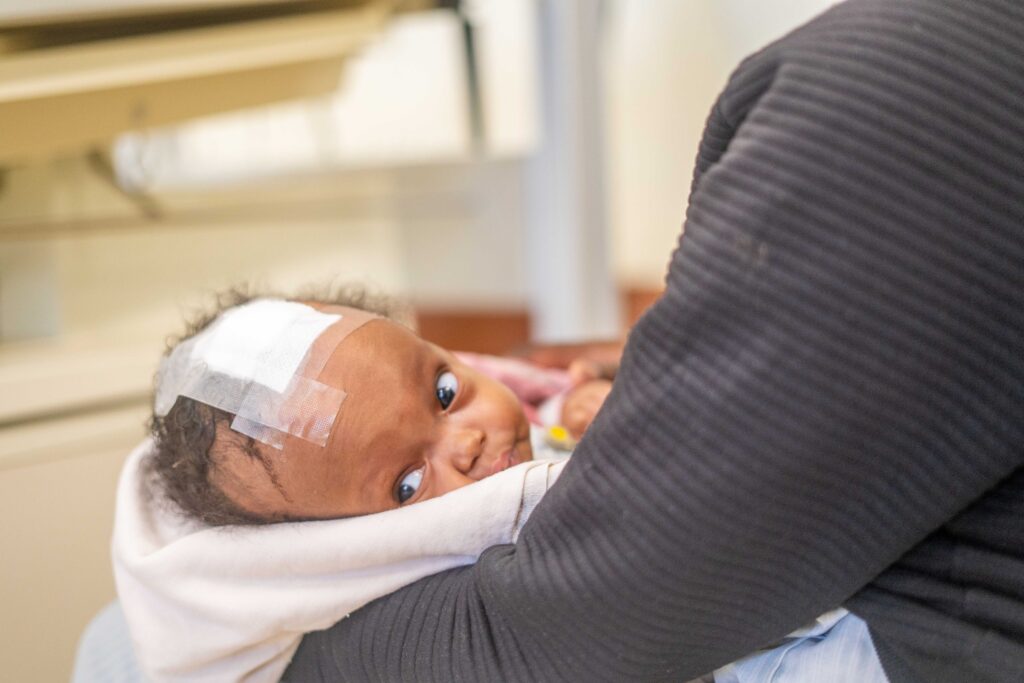
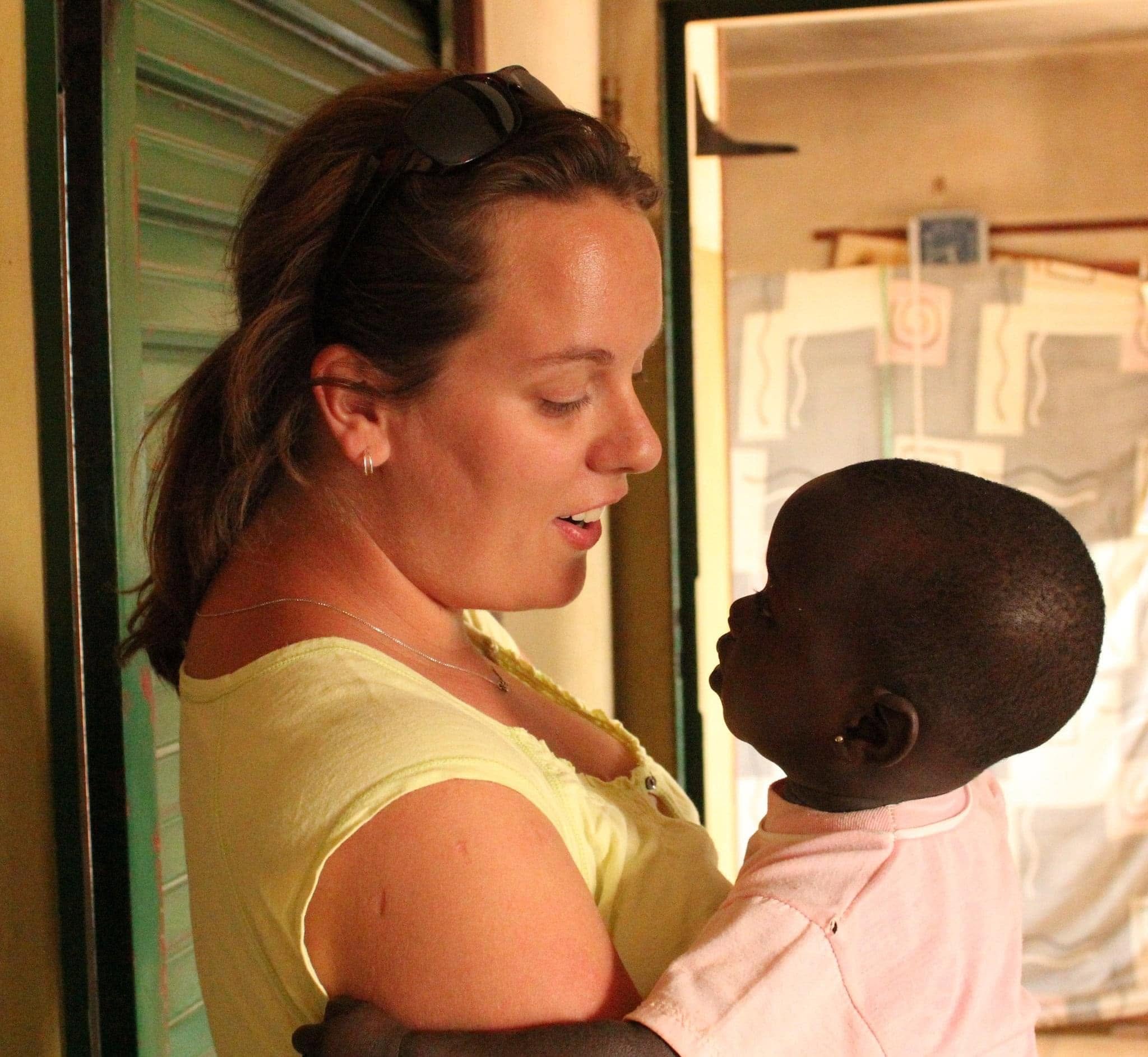
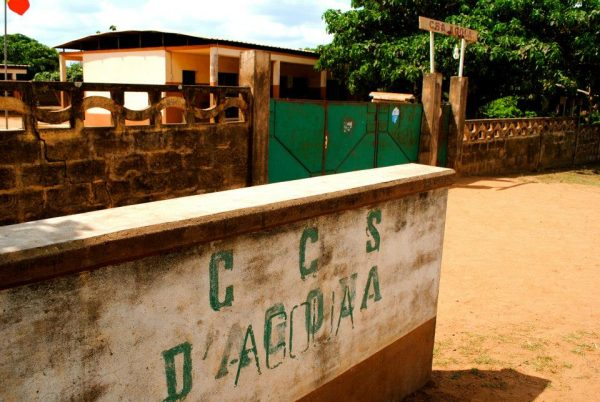
27 years later, I was a Peace Corps volunteer working in rural Benin. Resources were limited, especially in terms of medical care. I was learning about community health systems alongside the people I lived with. One day at the local health center, a newborn was brought in with spina bifida. From my experiences with my cousin, I recognized the condition immediately. I also knew that this baby’s life and the care she received would look very different from those of a child born in the United States, like my cousin. This reality was sobering.
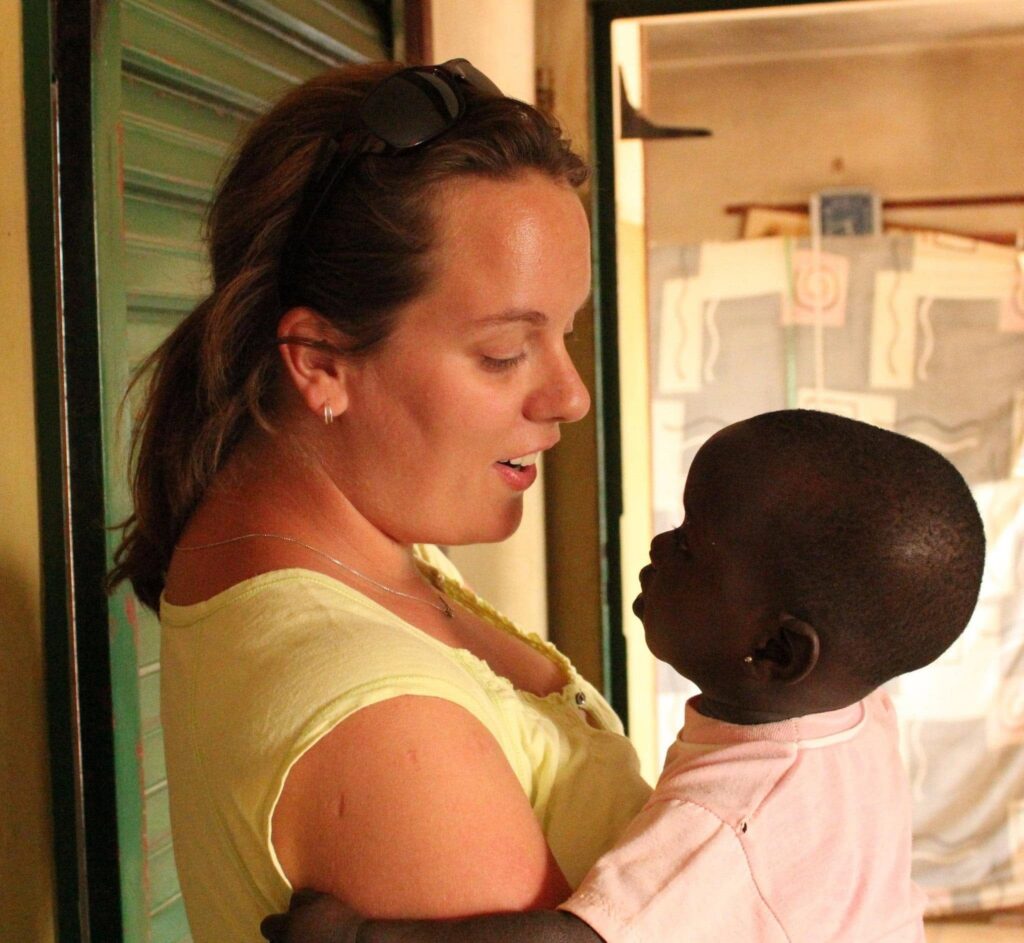
Why should a child’s future depend on where they happened to be born?
That question has driven two decades of work in global surgery.
The phrase “there are no other people’s children,” resonates with me more strongly than just about anything else I’ve ever heard, because I don’t have or desire children of my own, yet I think about children every day. Because community care matters, and every single child should have the opportunity to experience love, joy, curiosity, and hope. To imagine a future filled with possibility unlimited by unequal access to medical care.
When I first saw that newborn, I thought money was the barrier between this baby and the care she needed. I couldn’t yet see all the other barriers. Even with the money, the care she needed simply wasn’t available. I’ve spent the past twenty years of my career building a deep understanding of what access truly means, and why it’s critical in building pediatric surgical infrastructure in places like Benin.
Access is:
- Trained surgical teams: surgeons, anesthesia providers, and nurses working together.
- Specialized equipment, and the biomedical engineers to maintain and repair it.
- Reliable electricity, clean water, and essential consumables like catheters, bandages, and oxygen, readily available.
- Transportation infrastructure so patients can actually reach the hospital.
- Nutritious food and rehabilitation support: physical therapists, occupational therapists, and nurses who ensure parents know how to safely care for their children after discharge.
- Health financing that means surgery doesn’t bankrupt families.
- Referral networks that communicate across levels of care and make specialists accessible.
- Hospital and health system leadership committed to population wellbeing, not just profit.
It’s an entire health ecosystem, and when one piece goes missing, access disappears.
This central idea of access is top of mind for me as I’m heading to the G4 Alliance meeting in Accra, Ghana, where strengthening surgical systems across Africa will be a focus.
NeuroKids is helping shape the future direction of the G4 Alliance’s Children’s Surgery Working Group, co-chaired by NeuroKids CEO Derek Johnson, around a fundamental question: How do we build surgical systems that actually work for children? Not training individual surgeons in isolation. But complete, locally led systems of care.
The Working Group brings together clinicians, national planners, researchers, family representatives and more, with local leadership, to address critical questions related to pediatric surgical care.
- Which children are missing the care they need, and why?
- Which accessible changes could improve access and outcomes?
- How can partners, like NeuroKids, direct resources toward those changes?
This is a conversation where NeuroKids’ focus on locally led health systems is key. My experience in Benin wasn’t about just one baby; it was about the systems that failed her. And those systems can be built.
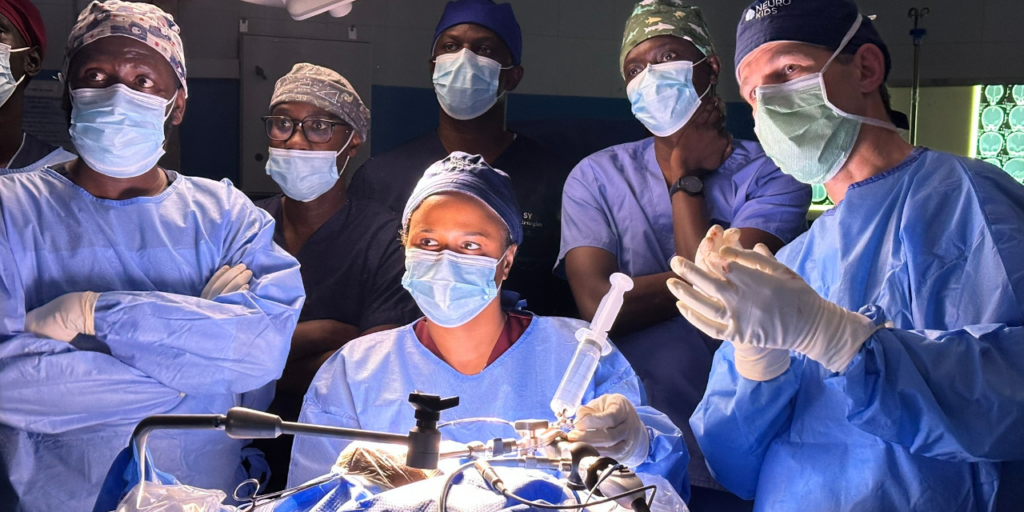
At NeuroKids, we support local institutions as they establish self-sustaining pediatric surgical systems for hydrocephalus and spina bifida. Our role isn’t to perform procedures and leave. It’s to ensure the specialist, equipment, referral pathway, training, and long-term support are already there when the baby arrives, led by the clinicians and health systems who will sustain that care locally.
For me, these conversations go beyond “How do we train more surgeons?” to ask, “How do we build resilient, locally led surgical systems?”
That’s why this meeting matters.
Nothing gives me more joy than seeing NeuroKids’ youngest patients get the care they need. But, the reality is that there are so many thousands more kids born with hydrocephalus and spina bifida every day that don’t have access. They are the reason we work alongside local teams to strengthen the systems that will serve them. Because there is no such thing as other people’s children.
I imagine a world where NeuroKids isn’t needed, where geography no longer determines access. A world where every little baby born with hydrocephalus can get the care they need and have a hopeful future.
The question I can’t stop asking: Why should a child’s future depend on where they happened to be born?
At NeuroKids, we work alongside local teams and partners like the G4 Alliance, and the Children’s Surgery Working Group, to make access to care a reality for every child, wherever they are born.