
Much of the work that makes quality healthcare possible happens quietly behind the scenes.
For Brian, NeuroKids’ Systems and Infrastructure Manager, that means making sure the technology, data, and digital systems supporting surgeons, coordinators, and hospitals work when they are needed.
But Brian does not see databases as simply collections of information.
“Behind every record is a child and a family and a care team relying on the information.”
It is a perspective shaped by more than 20 years of working at the intersection of technology and healthcare.
Finding His Place in Healthcare
Originally from central Uganda, Brian moved to Mbale in November 2004. The following day, he began working at CURE Children’s Hospital of Uganda.
He initially joined as a research assistant, but his interest in computers soon created another opportunity.
At the time, information technology at the relatively young hospital was still developing. Brian stepped in to help, eventually taking responsibility for the hospital’s IT department.
It was not the path he had originally imagined.
Growing up, Brian had hoped to study medicine and become a surgeon. Instead, he discovered another way to contribute to patient care.
“I love IT, and I love practicing it in a hospital,” he says.
His work brought him into contact with people who would later become part of NeuroKids. Even as his career evolved into research and other areas, those relationships continued.
When NeuroKids began growing, Brian saw an opportunity to reconnect his technology expertise with work he deeply cared about.
Building Systems Around Real People
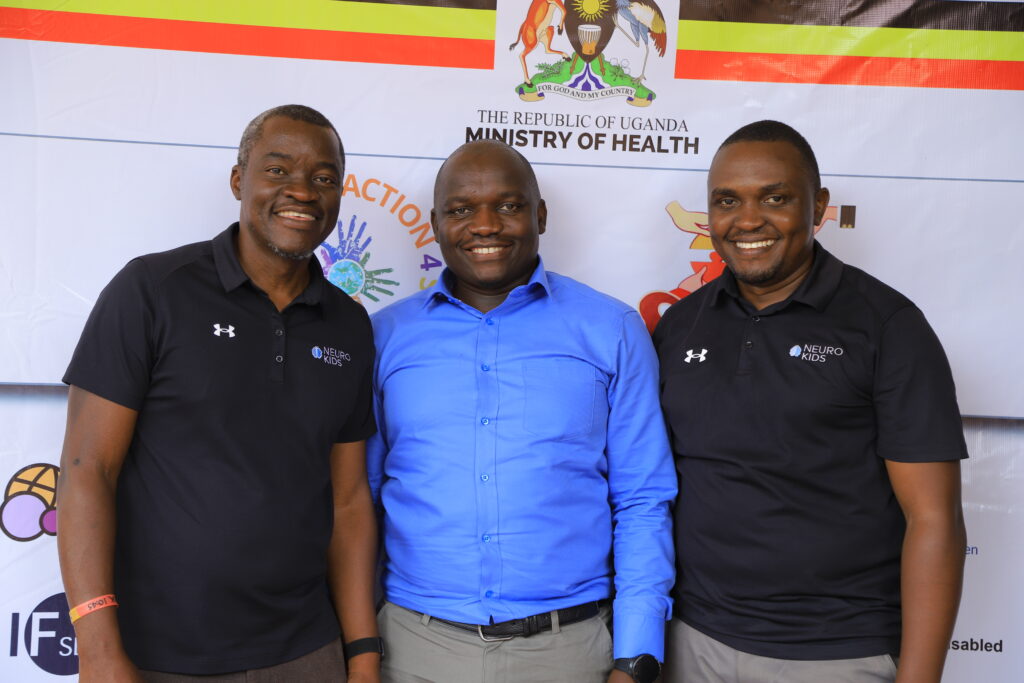
Today, Brian describes his role simply: connecting technology and data with the needs of healthcare systems, surgeons, and coordinators.
That includes developing and maintaining data systems, ensuring information is secure and useful, supporting digital medical records, maintaining devices, and helping keep remote surgical mentorship platforms working effectively.
The technology has to reflect the environments where NeuroKids partners work.
Internet access, for example, cannot always be assumed. NeuroKids therefore uses offline capabilities that allow teams to capture information even when connectivity is limited.
For Brian, each technical decision has a human purpose.
When a surgeon needs to understand what procedure a child previously received or how that child has progressed during follow-up, accessible information can help inform care. When coordinators need to identify and follow up with families, well-designed systems can help them do so. When a surgeon undergoing training connects remotely with a mentor, reliable technology helps make that continued learning possible.
“Every system that I keep running, every electronic medical record, every system update, every device, there is a purpose behind it,” Brian says.
Why Local Context Matters
Brian has watched approaches to pediatric neurosurgical training evolve over the years.
Earlier models often required surgeons to travel away from their hospitals for training. While they could return with new surgical skills, their home environments could be very different from the well-resourced setting where they trained.
NeuroKids takes a different approach.
Training takes place within local hospitals, allowing surgeons and other members of the care team to learn in the environment where they will actually provide care. Continued remote mentorship then helps surgeons strengthen their skills after the initial training.
For Brian, this matters because sustainable care requires more than teaching a surgical technique.
The systems surrounding the surgeon matter too.
Equipment matters. Nurses matter. Coordinators matter. Follow-up matters. Reliable information matters.
When those pieces work together, local healthcare teams are better positioned to care for children with hydrocephalus and spina bifida.
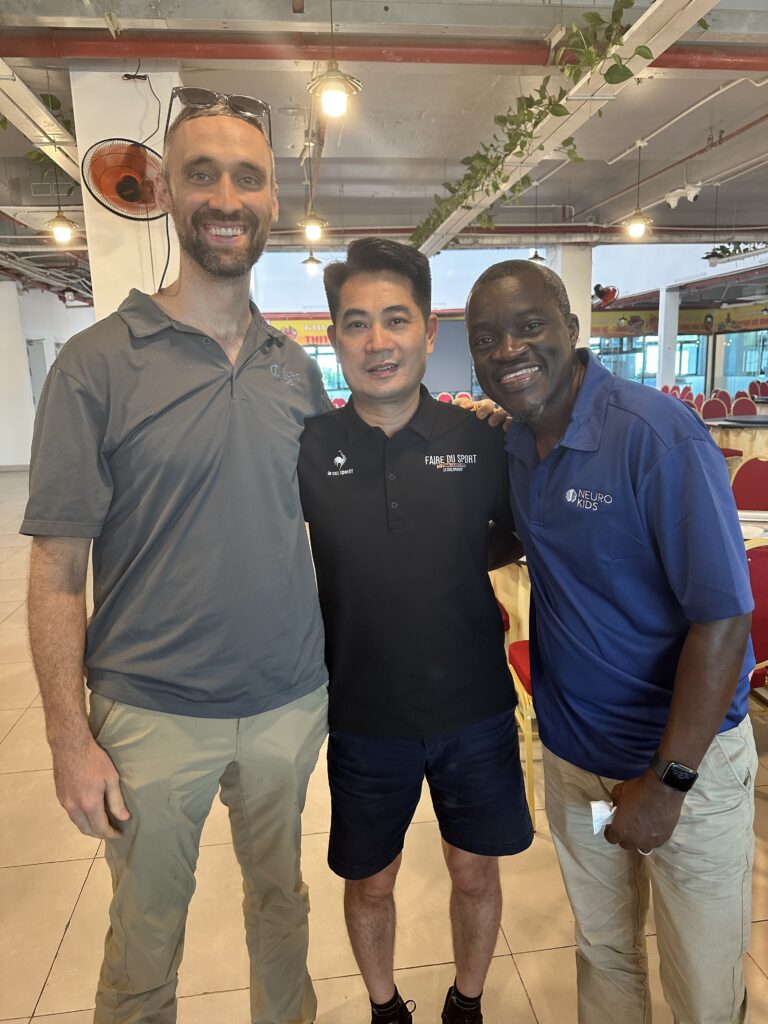
When Technology Helps Families Stay Connected to Care
Brian’s work may often happen behind a screen, but he has seen what thoughtful systems can mean for families.
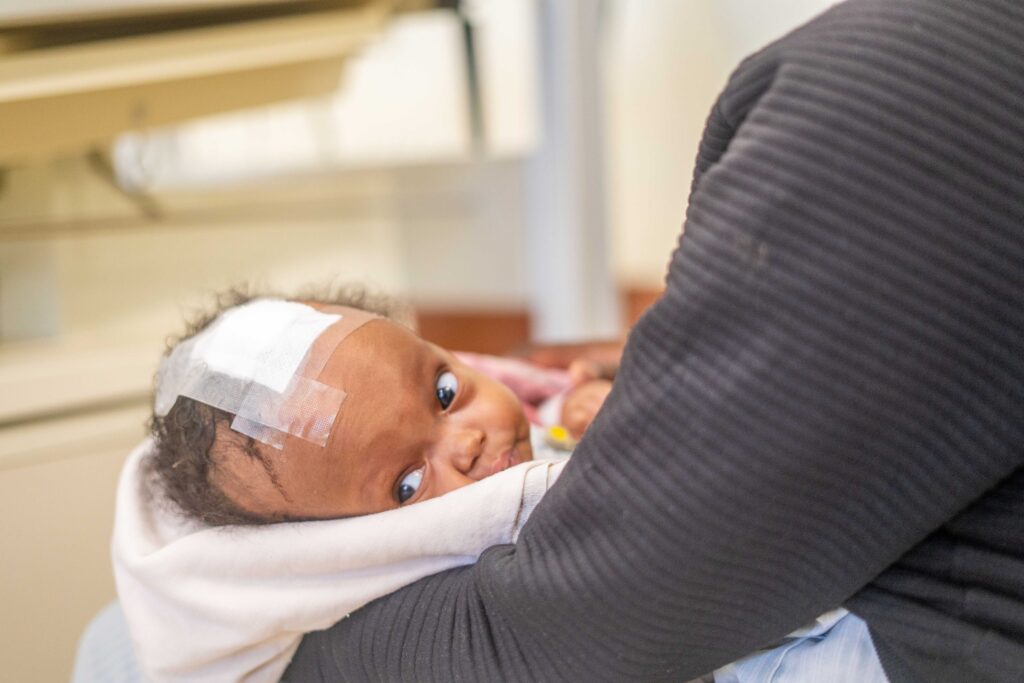
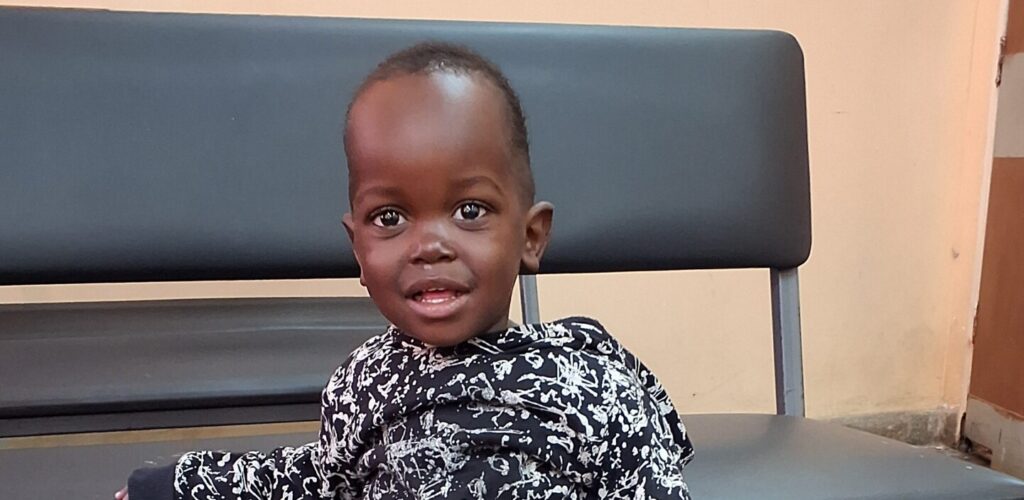
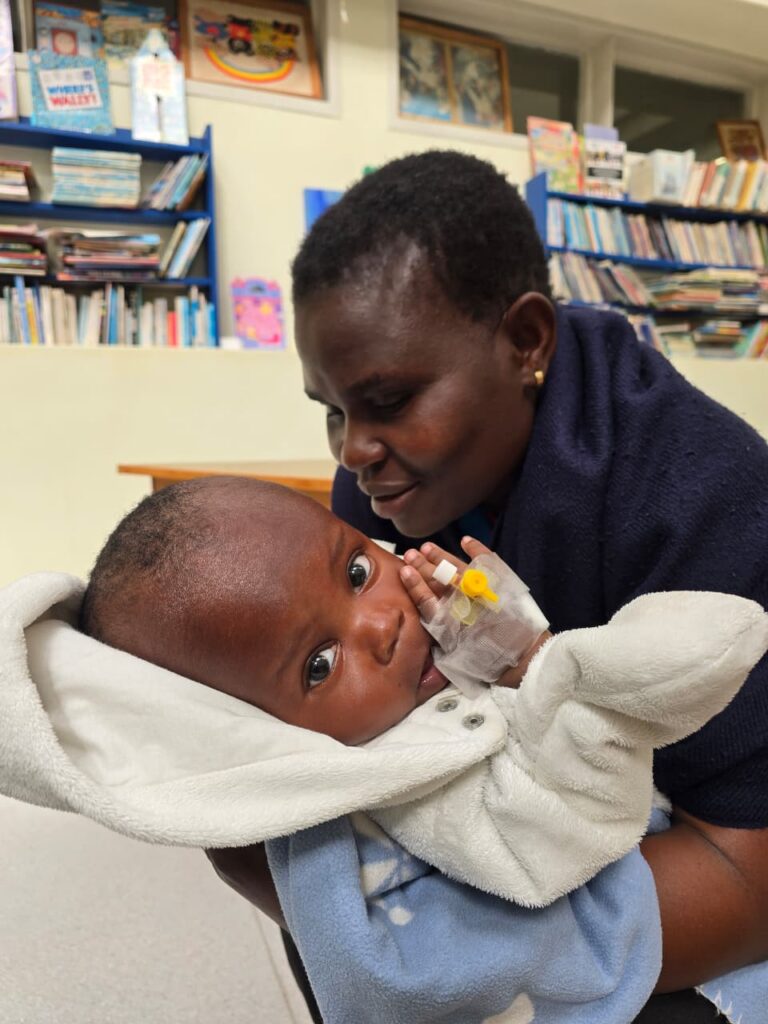
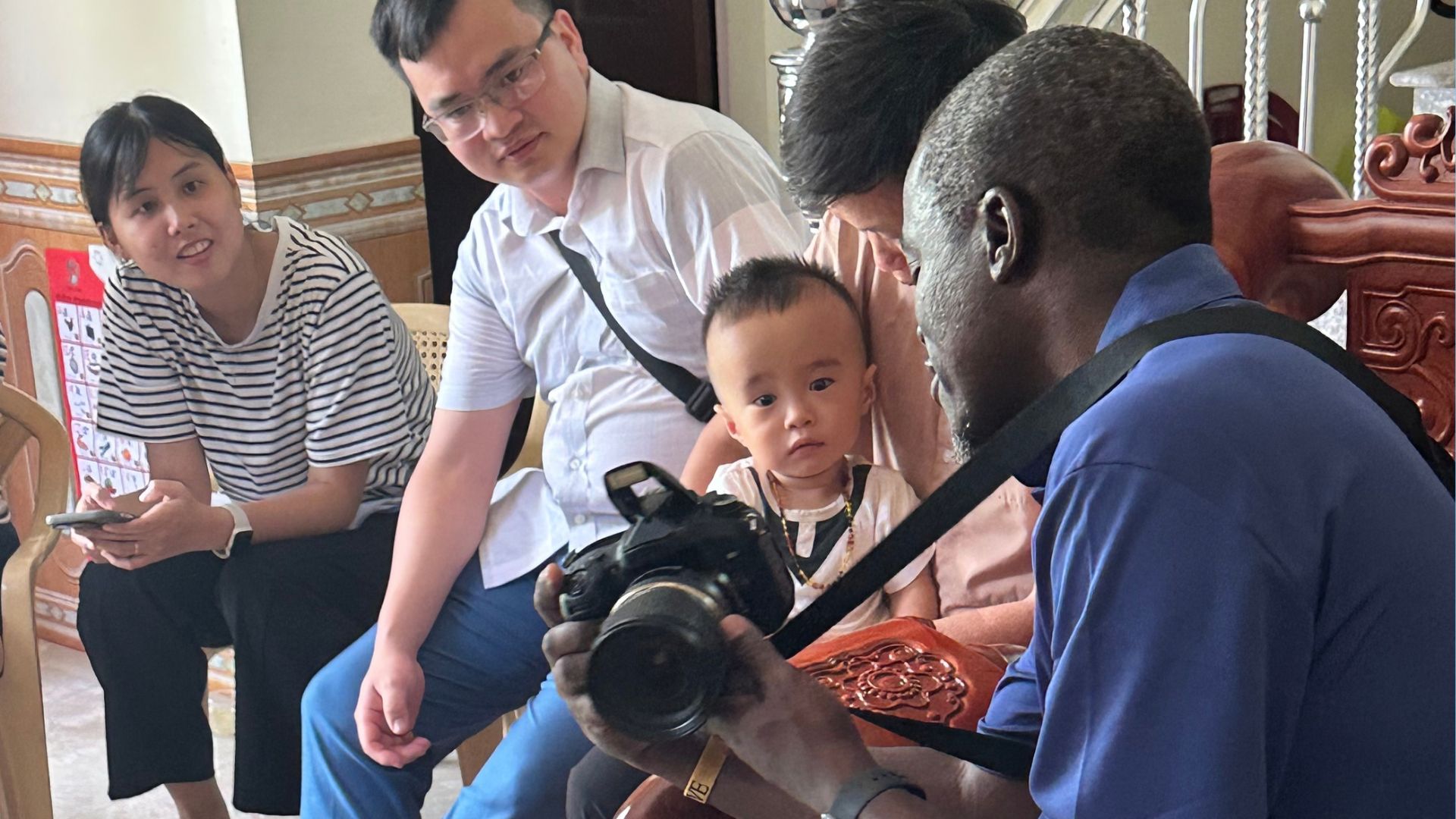
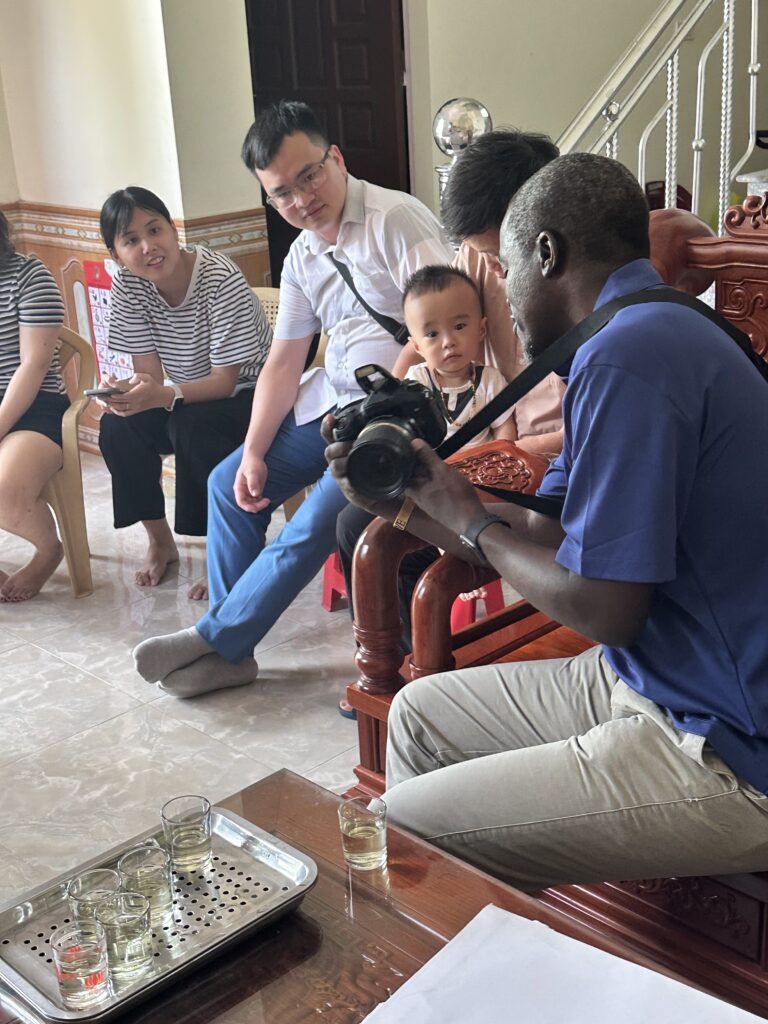
Earlier in his career, he photographed children before treatment and again when they returned for follow-up. Those photographs and stories were displayed where other parents could see them.
Mothers arriving frightened about their own child could see children who had once arrived with serious conditions returning months later with a very different story.
Today, Brian’s role looks different, but the purpose remains deeply human.
Digital records can make it easier for healthcare teams to follow a child’s progress without searching through growing stacks of paper files. Location information can help coordinators identify families who may benefit from follow-up services closer to where they live. Offline systems can allow teams to continue capturing information even in places where internet connectivity is unreliable.
“Behind the technology and the data are children who deserve access to treatment and families hoping for a better future.”
Technology That Meets People Where They Are
As NeuroKids expands, Brian is helping its systems expand with it.
One example is language.
NeuroKids’ work is reaching communities where English is not the primary language. Brian has been involved in adapting data systems into languages including French, with attention to making sure medical terminology remains accurate.
For him, localization is not simply a technical exercise. It is about making systems easier for local teams to use.
“If the systems are working, they can focus on what matters and what they do best.”
Brian remembers a former headmaster telling him, “Only the best is good enough.”
That idea has stayed with him.
If clinicians and coordinators are expected to provide their best care, he believes the systems supporting them should also be designed around their needs.
That is what keeps him motivated.
Stronger Systems, Better Care
Brian believes supporting children with hydrocephalus and spina bifida requires many people working together.
Surgeons need training and mentorship. Families may need somewhere to stay while their child receives treatment. Children need follow-up after surgery. Hospitals need reliable systems and equipment. Coordinators need information that helps them stay connected with families.
Partnerships help bring these pieces together.
And behind many of them is infrastructure that most families may never see.
For Brian, that is okay.
His work does not have to happen in the operating room to make a difference there.
Every functioning system, accessible patient record, reliable mentorship session, and thoughtful technological improvement can help healthcare teams focus on what matters most: the child in front of them.
“I know God has given me the ability to understand systems and machines,” he says. “When I give my best, we enable the clinician to do their best. And then the clinician enables the child to reach their best.”
At NeuroKids, our mission is to help children with hydrocephalus and spina bifida live longer and better lives. Strengthening local healthcare systems and equipping the people caring for these children are essential parts of making that mission possible.