
How Meski Denekew Is Strengthening Care for Children With Hydrocephalus and Spina Bifida
At NeuroKids, caring for children with hydrocephalus and spina bifida goes far beyond surgery. It means building systems of support that help children and families navigate every step of treatment and recovery. For Meski Denekew, that mission is deeply personal.
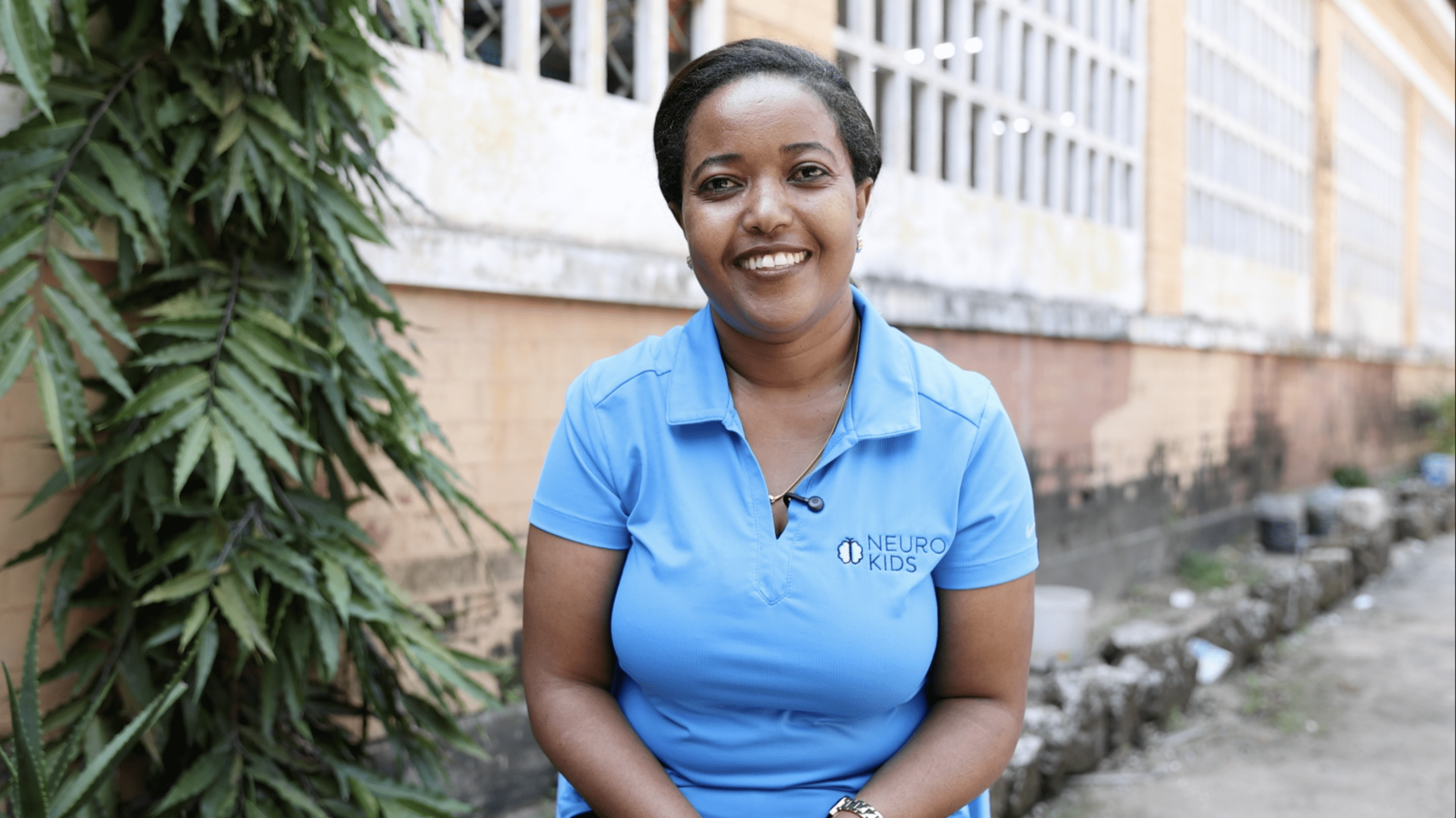
Based in Ethiopia, Meski serves as NeuroKids’ Clinical Operations Manager, helping strengthen pediatric neurosurgical care programs across the globe. With years of experience working in healthcare systems and children’s hospitals, she brings both technical expertise and compassion to her role.
Before joining NeuroKids, Meski worked with CURE International as a care coordinator and later as a program manager overseeing multiple centers of excellence. Through those roles, she saw firsthand the challenges many families face when seeking treatment for neurological conditions like hydrocephalus and spina bifida.
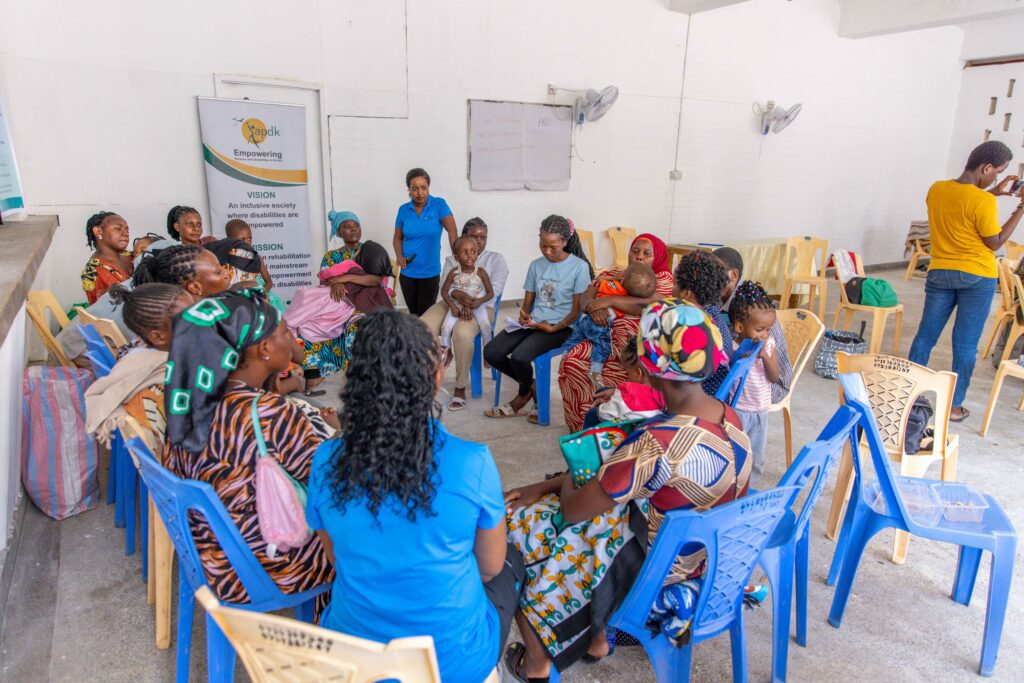
Joining NeuroKids felt like a natural next step. Drawn to the organization’s focus on comprehensive care, Meski saw an opportunity to help expand access to life-changing treatment while strengthening long-term systems of support for children and families.
Today, her work spans both strategy and direct program support. Meski leads regular check-ins with care coordinators across NeuroKids partner hospitals, supports clinical program implementation, helps oversee data collection, and provides training to ensure coordinators have the tools they need to support families effectively.
Central to the NeuroKids’ model is the care coordinator role, which Meski describes as essential to improving outcomes for children with hydrocephalus and spina bifida.
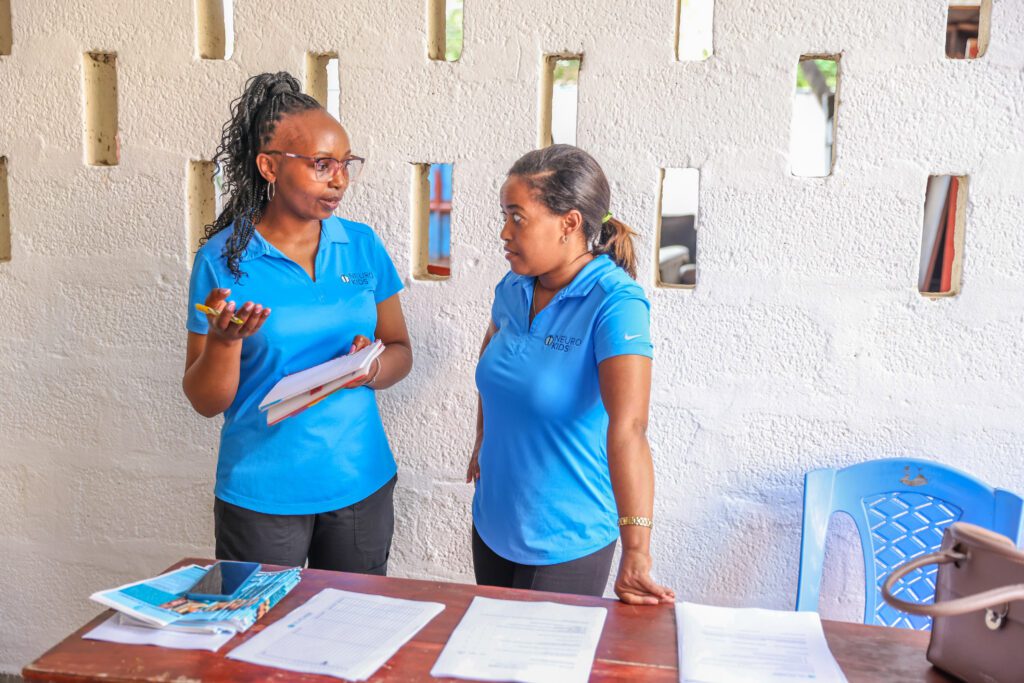
Care coordinators help families navigate complex hospital systems, track patient outcomes, provide emotional support, and ensure children continue receiving care after surgery. In many low-resource settings, follow-up care can be difficult to access or inconsistent. NeuroKids’ coordinators help bridge that gap so families are not left to navigate treatment alone.
“They are the connection between the hospital and the family,” Meski said.
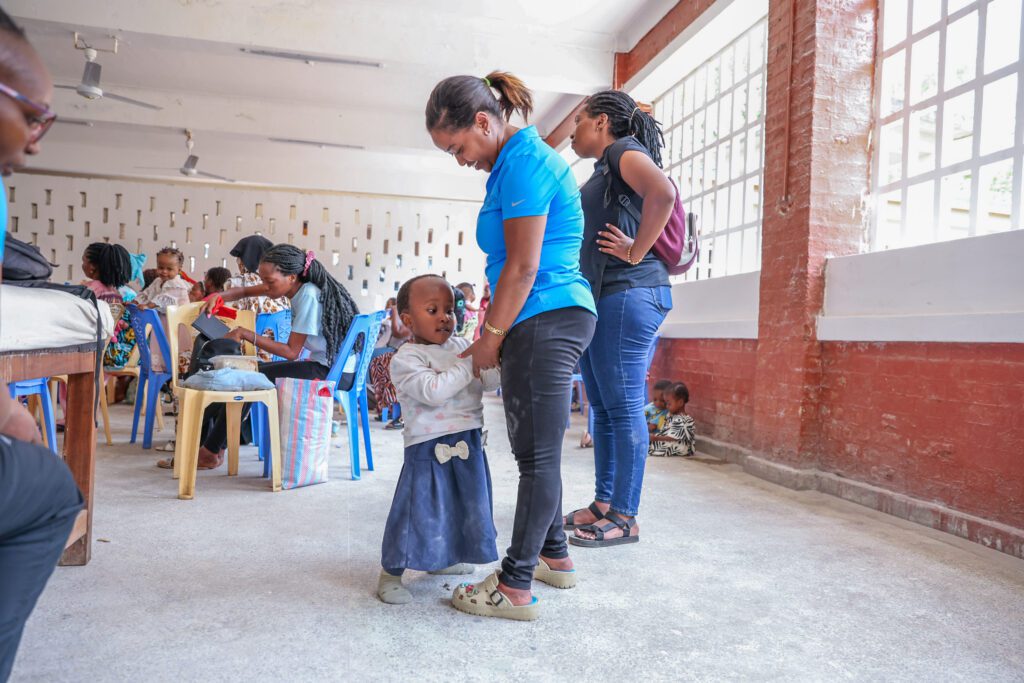
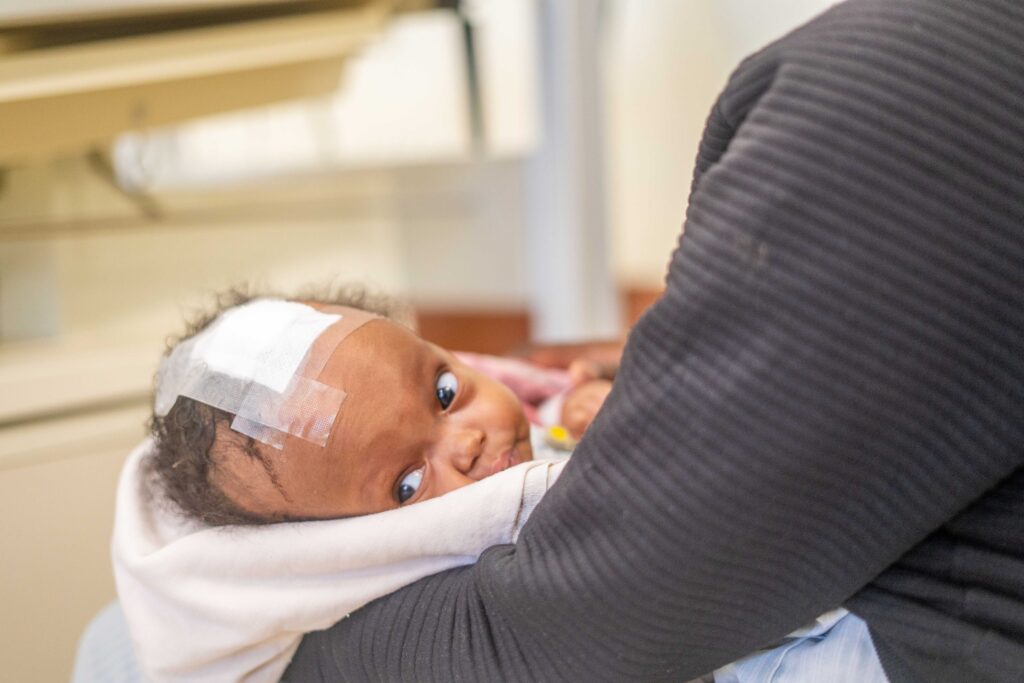
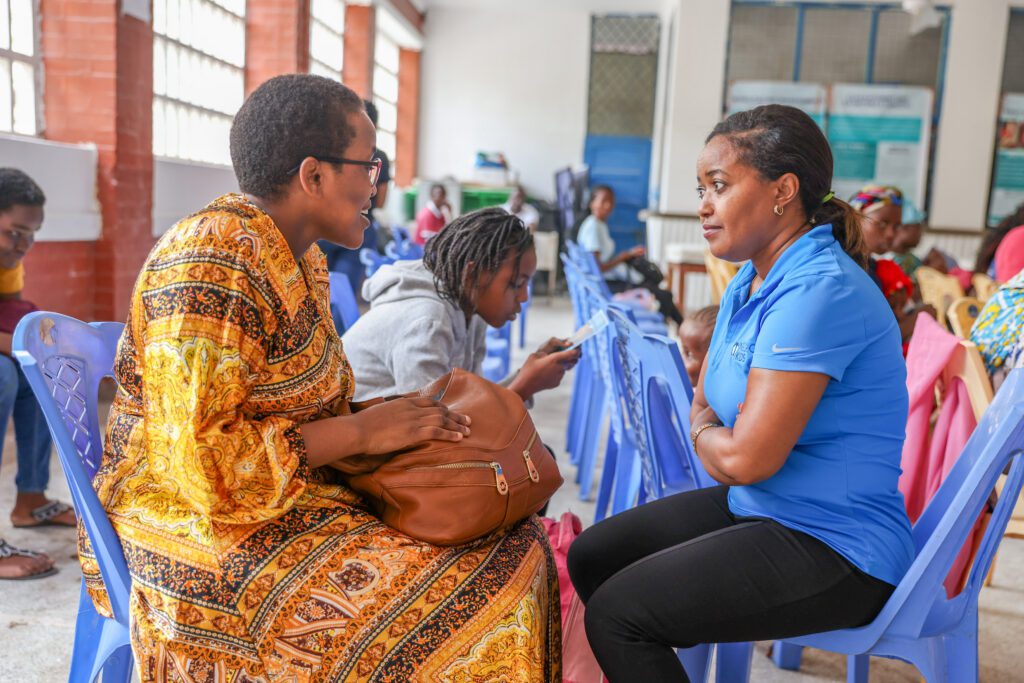
One story that continues to stay with her involves a young mother in Kijabe whose child needed urgent medical care. While seeking treatment for her child, the mother was also facing significant emotional and psychological challenges. A NeuroKids care coordinator named Anne stepped in to support both the child and the mother throughout the process.
For Meski, the story reflects what makes NeuroKids unique.
“It wasn’t only about the surgery. It was about caring for the entire family.”
Beyond individual patients, Meski believes NeuroKids is helping transform how hydrocephalus and spina bifida are understood within communities and healthcare systems. Through awareness campaigns, partnerships with local health centers, and improved follow-up care, the organization is helping reduce stigma and connect more children to treatment earlier.
She has also seen the impact inside hospitals themselves. Surgeons and healthcare teams increasingly recognize how structured follow-up systems and family support improve long-term outcomes for children.
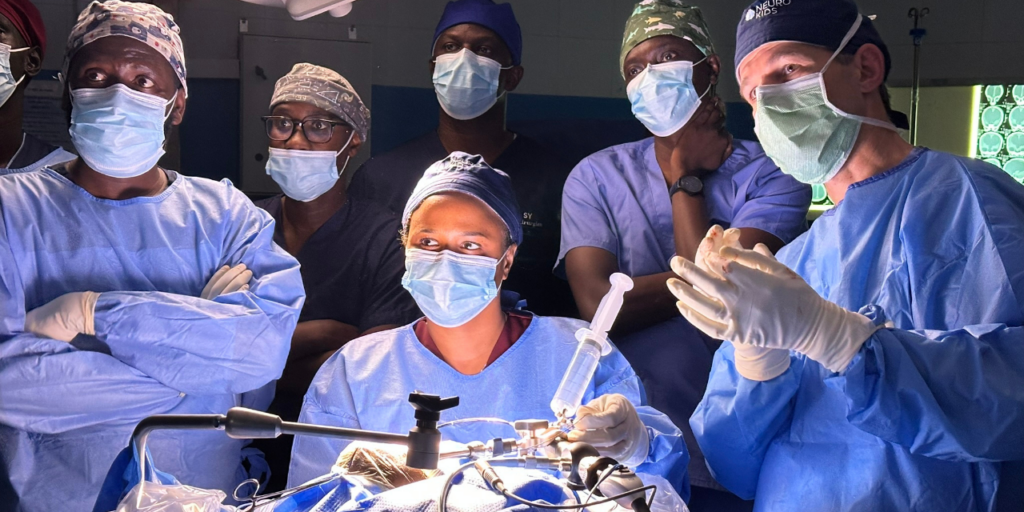
Looking ahead, Meski hopes to see NeuroKids continue expanding its reach across Africa and beyond by training more pediatric neurosurgeons, strengthening hospital systems, and increasing access to care for children who would otherwise go untreated.
“It is my hope that in the next five years we will be able to reach more countries and train more neurosurgeons so these children can get the treatment they need,” she said.
What motivates her most is the opportunity to create lasting change for children and families. Every child who receives treatment and every family that feels supported reinforces the importance of the work.
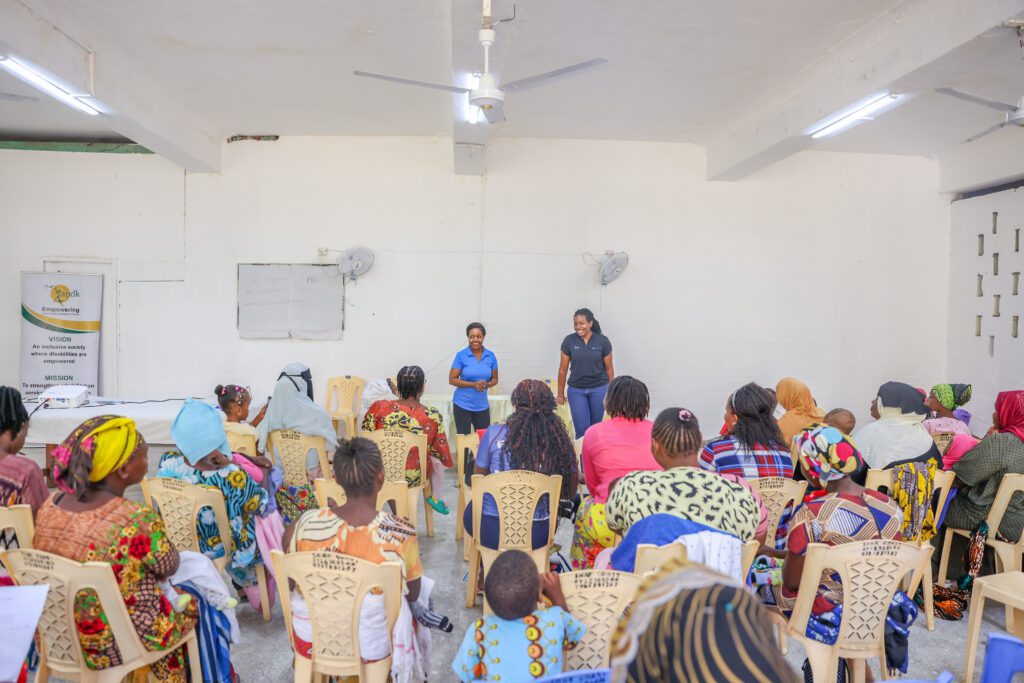
Meski also emphasizes that communities play an important role in improving outcomes for children with hydrocephalus and spina bifida. Raising awareness, challenging misconceptions, and helping families connect to care can make a life-changing difference.
“Communities, individuals, and organizations all have a role to play,” she said. “The more people understand hydrocephalus and spina bifida, the more children can get the treatment and support they need.”