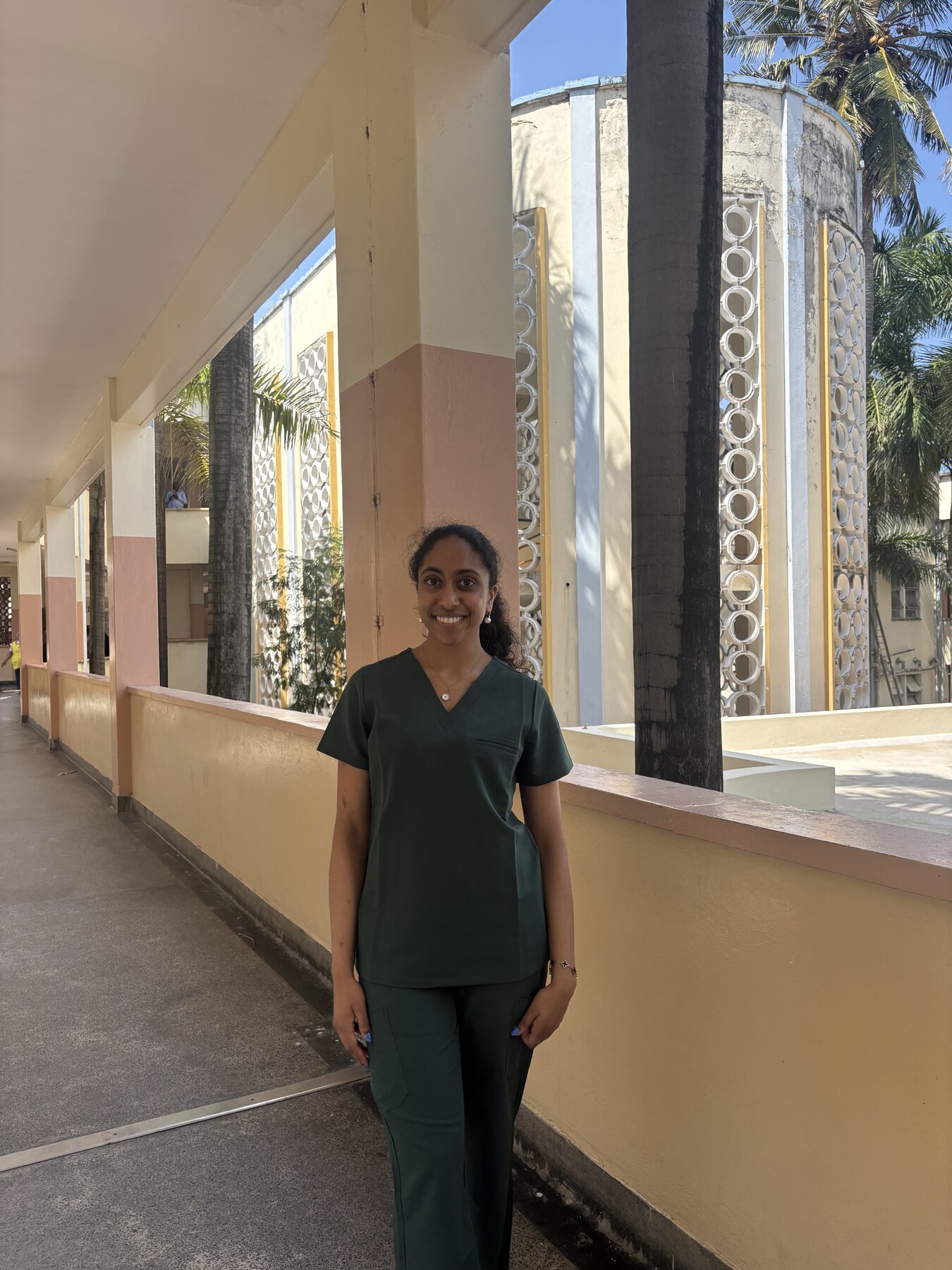

By Sharika Gajjala, a Princeton University neuroscience student, reflecting on her summer at Coast General Teaching and Referral Hospital in Mombasa, Kenya, where she supported NeuroKids’ learning about the barriers families face in accessing hydrocephalus care.
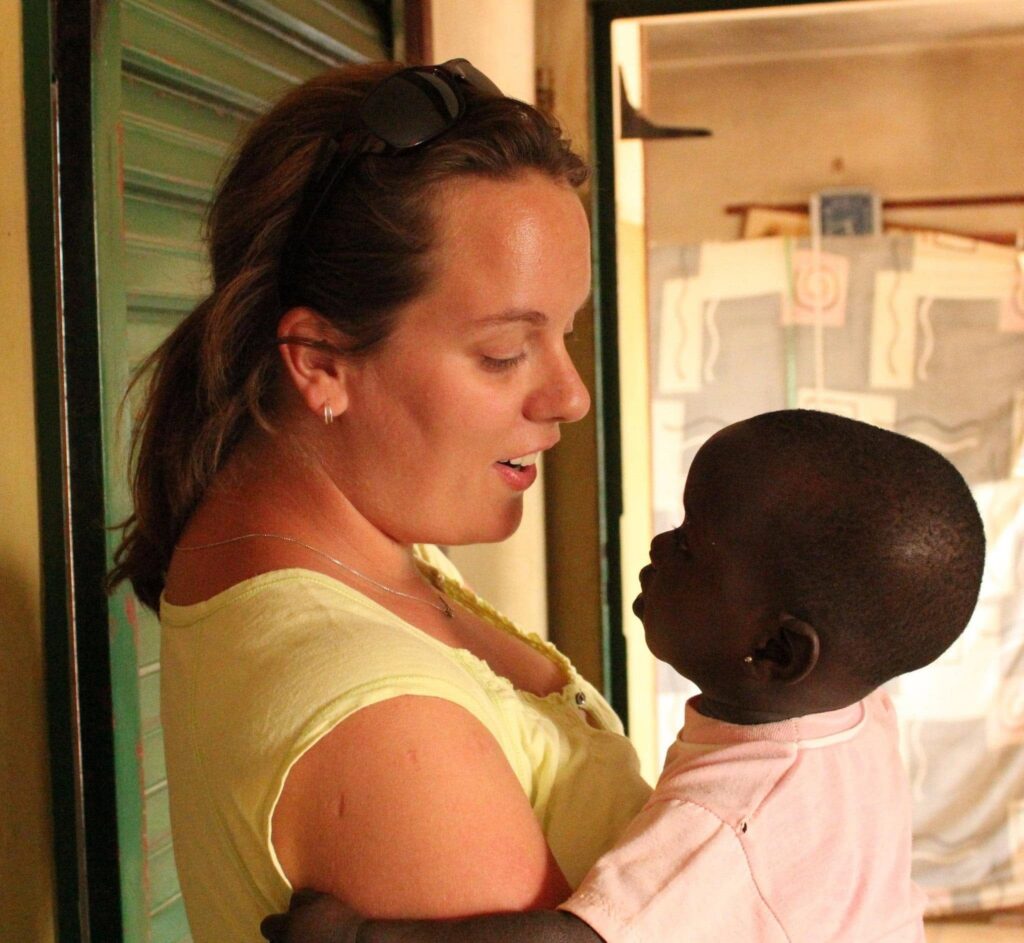
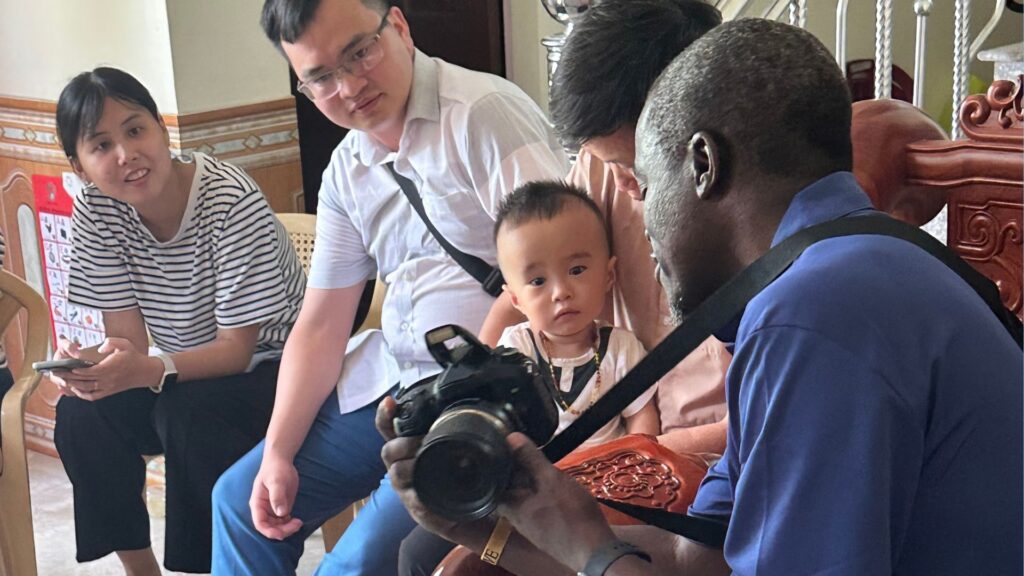
One experience that has stayed with me from my time in Mombasa was visiting the home of a mother whose child had received surgery for hydrocephalus, a condition in which excess fluid builds up in the brain. Despite her son having received treatment, she was unable to bring him back for follow-up appointments because she could not afford the transportation fare. That day, the family did not even have enough food to eat.
As the mother shared her experience, it became clear how much finances had shaped their journey. Still, she explained that this was her son, and she had to find a way to get him treatment, even if it meant searching everywhere for money and going without other basic needs. She could not simply choose not to get care for him. That conversation really showed me how much mothers and other caregivers sacrifice for their children. Caring deeply does not make the financial and practical barriers disappear.
I spent part of my summer at Coast General Teaching and Referral Hospital in Mombasa, Kenya. When I learned about NeuroKids’ work with local hospitals and healthcare professionals to strengthen care for children with hydrocephalus, I was immediately really interested in getting involved. I have always been drawn to pediatric neuroscience and medicine, and I wanted to understand what global health looks like beyond the medical side: how transportation, finances, hospital resources, awareness, and trust shape someone’s ability to receive care.
NeuroKids wanted to better understand the barriers families face in seeking hydrocephalus care in the coastal region, and I supported that effort through informal conversations with caregivers, nurses, clinicians, and hospital leaders. These conversations were intended to inform its work with local partners, rather than serve as a formal research study, and they do not represent every family or provider in Mombasa. I wanted to understand what happens between a family first noticing that something is wrong and their child receiving care, and why some children may never reach the hospital at all.
Reaching care is only part of the journey
One of my biggest realizations was that reaching the hospital does not mean a family’s barriers are over. Families may still need to navigate insurance, complete testing, and wait for treatment. Several caregivers described placing their trust in the doctors because their main concern was simply doing whatever could help their child. Providers explained that delays can have different causes, including limited staff, supplies, or operating room availability. Some children also need medical stabilization before surgery. Hearing these perspectives helped me understand how much has to come together for treatment to happen.
I also learned that surgery is not the end of hydrocephalus care. Afterward, families may still need money for transportation to follow-up appointments, therapy, imaging, and other continuing needs. A family can overcome many barriers to reach the hospital and complete surgery, only to face another set once they return home.
I was struck by the amount of responsibility placed on families. Many begin with very little information about hydrocephalus while already dealing with fear and concern for their child. They must find the right facility, arrange transportation, navigate referrals, and then manage follow-up care. Families showed tremendous persistence and resourcefulness, but they should not have to carry the entire burden of navigating this process alone.
Learning from different perspectives
Speaking with people in different parts of the hospital showed me that there is not one single view of the problem. Clinicians described challenges with staffing, operating room access, and supplies. Hospital leaders discussed infrastructure, insurance, and coordination. A caregiver experiences these challenges from a completely different position. Each perspective revealed another part of the care journey.
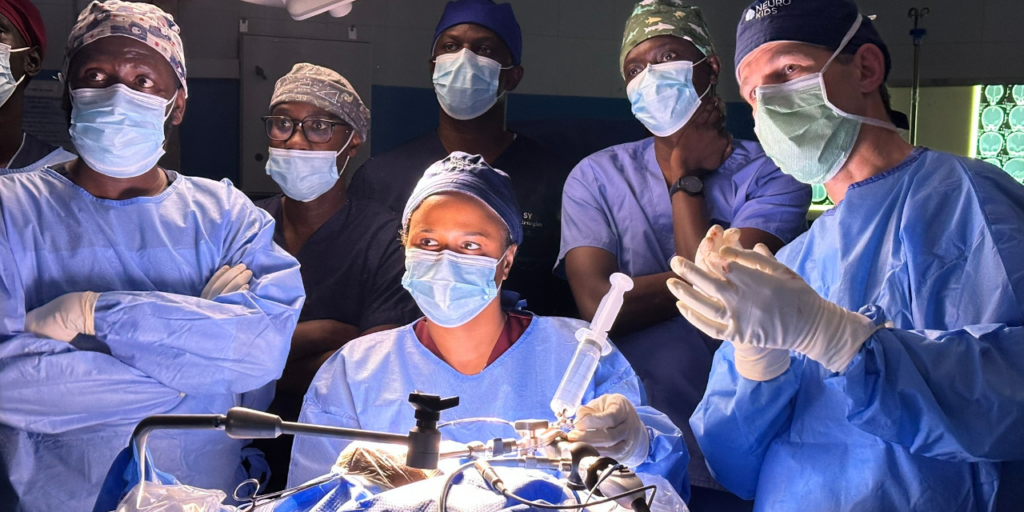
I also saw many existing strengths. Clinicians and nurses brought important knowledge and commitment to their patients, even while working with limited resources. Hospital leaders and providers were willing to openly identify areas that could be improved. The neurosurgical team’s willingness to learn new approaches also stood out to me. Learning new methods takes time and effort, but they were willing to put in that work when it could lead to better outcomes for children.
I also learned about House of Hope in Mombasa, a local family support house in the partner network of Child-Help International, a NeuroKids partner. It provides temporary accommodation and support for families of children with spina bifida and hydrocephalus who travel to Coast General for treatment. For a family far from home, having somewhere to stay can make it easier to remain near the hospital during a child’s treatment. Its role helped me see how much practical support matters alongside medical care.
Supporting the full care journey
Learning about the partnership between Coast General and NeuroKids helped me see how training and ongoing mentorship support the work of local providers. NeuroKids’ broader model also includes local care coordinators who help families navigate care and follow-up. After hearing what families faced, I could better understand why that support matters before surgery and after a child returns home.
I came away thinking about how much it means for a family to understand the condition, know where to seek help, and have someone to turn to as they navigate treatment and follow-up. Mothers and other caregivers have so much to tell us about what makes that possible. Their experiences can help NeuroKids and its local partners identify where families need more support. This also means finding ways to hear from families whose children never reached the hospital or could not return for follow-up, because their experiences may reveal barriers that cannot be fully understood from inside the hospital.
What I hope readers remember most is how hard the families I met were working to get care for their children. They were making difficult decisions, searching for resources, traveling long distances, and sacrificing other needs. Their determination stayed with me.
This experience changed how I think about access to hydrocephalus care. Access is not just having a hospital or a surgeon available. It means being able to recognize that care is needed, reach the hospital, understand the process, receive treatment, and continue receiving support afterward. I learned so much from the families, healthcare professionals, and hospital leaders who shared their experiences with me.