
“There is hope.”
It’s a message Prisca shares with every parent she meets whose child has been diagnosed with hydrocephalus and spina bifida.
Eight years ago, she needed to hear those same words herself.
When her son Israel was born, doctors quickly diagnosed him with both hydrocephalus and spina bifida, two conditions that are often closely linked. Up to 80% of children born with spina bifida also develop hydrocephalus, a condition in which excess cerebrospinal fluid builds up in the brain, creating dangerous pressure that can cause disability or death if left untreated.
For Prisca and her husband, Joshua, the future suddenly felt uncertain. Yet what began as a frightening diagnosis would ultimately become a story of hope.
Just two days after Israel was born, the family traveled to Kijabe Hospital in Kenya for treatment.
“Our journey started from there,” Prisca recalls.
Israel first underwent surgery to repair his spina bifida. A few weeks later, he returned for treatment of hydrocephalus.
At the time, the stakes could not have been higher.
Globally, one child dies every three minutes from untreated hydrocephalus. For thousands of families across Africa, accessing timely neurosurgical care remains one of the greatest barriers to survival. Without treatment, children face a dramatically increased risk of death or lifelong disability.
But Israel was able to receive specialized care using the Warf Procedure (ETV/CPC), an innovative approach to hydrocephalus treatment that has transformed care for children around the world.
For many children with hydrocephalus, treatment traditionally requires the placement of a shunt, a device that drains excess fluid from the brain. While shunts save lives, they can also fail, become infected, or require additional surgeries over a child’s lifetime. For families living far from specialized neurosurgical care, every complication can mean long journeys, lost income, mounting expenses, and difficult decisions about how to access treatment.
The Warf Procedure offers a different path for many children. By restoring a more natural flow of cerebrospinal fluid, it can often treat hydrocephalus without lifelong shunt dependence.
The family was told that if the procedure did not work, Israel would need a shunt.
It worked.
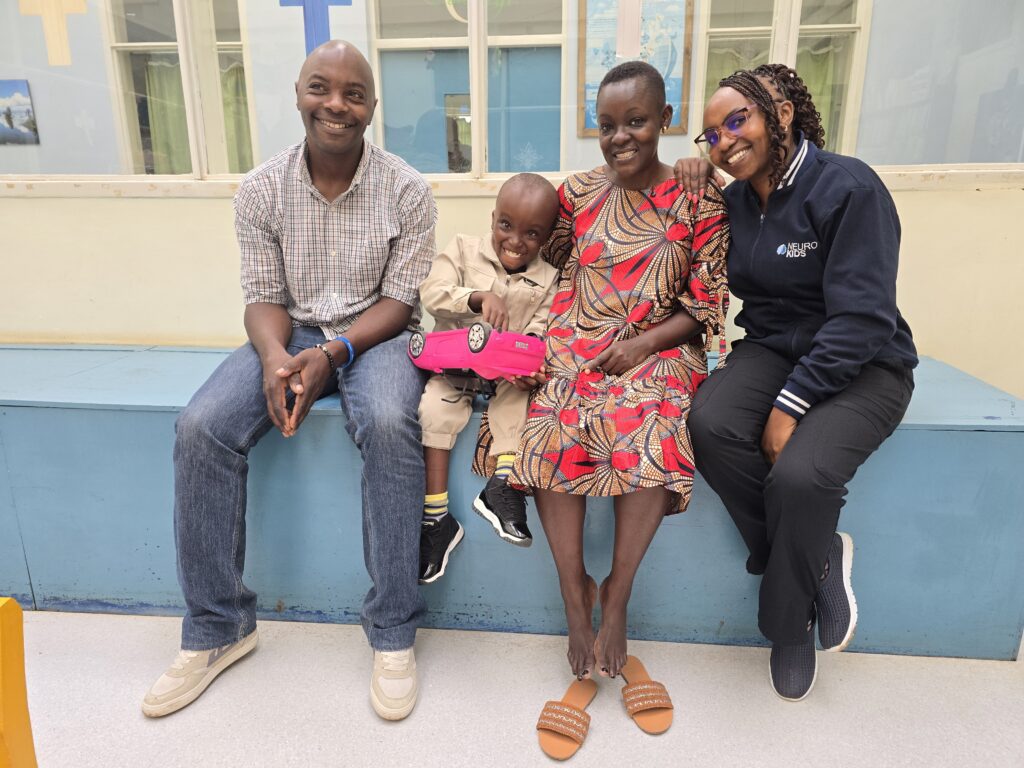
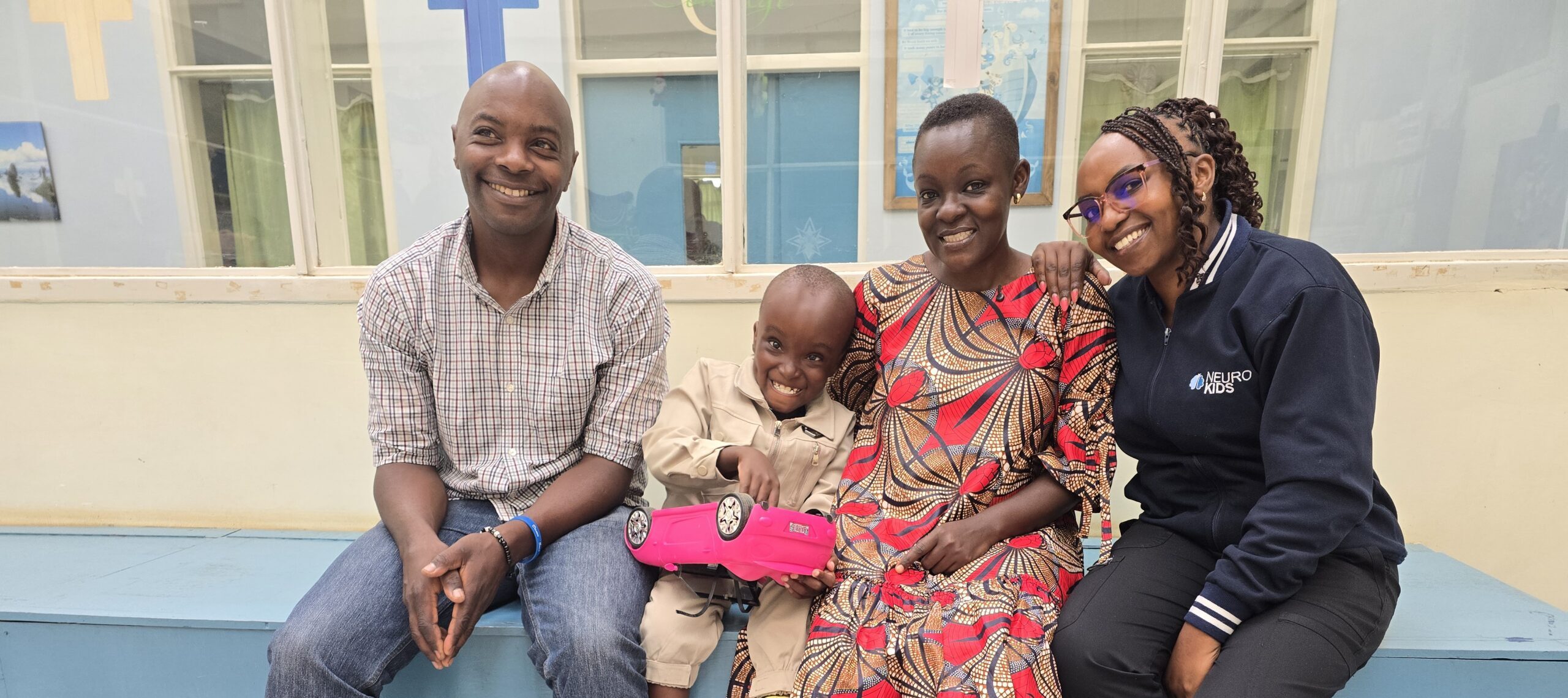
Today, eight years later, Israel has never required another hydrocephalus surgery.
For Prisca and Joshua, that has meant more than avoiding another operation. It has meant fewer hospital visits, fewer medical expenses, less time away from work and family responsibilities, and the peace of mind that comes from watching their son grow up without the constant fear of a shunt failure or emergency surgery.
For hospitals and health systems, successful ETV/CPC procedures can also reduce the long-term burden of repeat operations and emergency care, helping limited resources reach more children who need treatment.
For families like Israel’s, the impact is measured in something even more important: the freedom to focus less on surviving and more on living.
“We really thank God for that,” Prisca says.
For NeuroKids, stories like Israel’s demonstrate what is possible when children gain access to timely treatment and when local neurosurgical teams are equipped to provide specialized care.
Through training, mentorship, and long-term partnerships with hospitals across Africa, NeuroKids helps equip local neurosurgical teams to diagnose and treat hydrocephalus and spina bifida while strengthening the systems children and families depend on for long-term care. The goal is simple: ensure more children can access life-saving treatment and the opportunity to thrive.
But for Prisca and Joshua, the story is about much more than a successful surgery.
It’s about watching their son grow up.
At home, Israel is the younger of two brothers. His older brother is one of his biggest champions.
“They play together. They interact so well,” Prisca says.
One of Prisca’s greatest joys has been watching her son thrive in school.
Today, he is in first grade.
For many families of children with disabilities, stigma can be as challenging as the diagnosis itself. Some children are hidden from their communities or denied opportunities to learn and participate alongside their peers.
Prisca wants parents to know that does not have to be their story.
“Don’t hide the children,” she says.
“Israel goes to school. These children are bright, very bright. Israel is bright.”
Her advice to other parents is simple: seek care early, attend follow-up appointments, and believe in your child’s potential.
“There is hope,” she says. “Their condition doesn’t mean that they have a short life.”
She knows firsthand that raising a child with hydrocephalus and spina bifida comes with challenges. Like many children living with spina bifida, Israel continues to need ongoing care and support. Yet when she looks at her son today, she sees possibility instead of fear.
She also thinks about the families still waiting for the same opportunity.
“The people who support children like Israel should continue to help children like Israel so that other kids can benefit,” she says.
Looking back on the last eight years, Prisca is filled with gratitude for the care that changed her son’s life and for everyone who helped make that care possible.
Her message remains as powerful today as it was when Israel was first diagnosed:
“There is hope.”
And Israel is living proof.